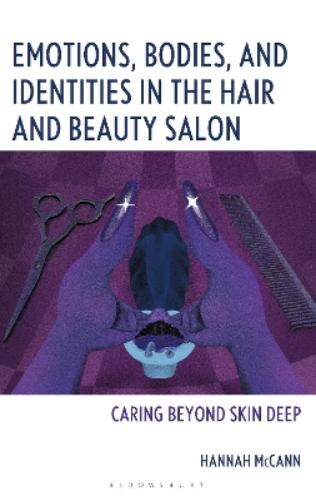
Emotions, Bodies, and Identities in the Hair and Beauty Salon
Caring Beyond Skin Deep
This book argues that salon work involves care via responding to emotions through talk, managing bodies through touch, and curating identities through aesthetics.
Hair and beauty salons are a common feature of daily life, with salons seemingly on every street corner. What are we to make of this demand? Drawing on ethnographic and other methods, Emotions, Bodies, and Identities in the Hair and Beauty Salon suggests that salons are about more than just simply maintaining appearances. This book argues that salons are about care work, which involves responding to emotions through talk, managing bodies through touch, and curating identities through aesthetics. While feminists have long identified the impositions of ideals pushed by the beauty industry, there has been less attention to generative aspects of beauty culture. This book tries to put the care involved in salon work on the radar, examining how workers manage talk and their therapeutic-like roles, touch and physical intimacy, and identities via the curation of surfaces in the salon. In a context where visits to salons are often described by clients as “self-care”, this book is a reminder that someone else is often doing the work. This book highlights how salon workers provide clients with care that is often profoundly meaningful in terms of responding to emotions, bodies, and identities, and that this is indeed labour that ought to be valued and supported accordingly.
Product Information
Product Information
Shipping & Returns
Shipping & Returns
Description
Caring Beyond Skin Deep
This book argues that salon work involves care via responding to emotions through talk, managing bodies through touch, and curating identities through aesthetics.
Hair and beauty salons are a common feature of daily life, with salons seemingly on every street corner. What are we to make of this demand? Drawing on ethnographic and other methods, Emotions, Bodies, and Identities in the Hair and Beauty Salon suggests that salons are about more than just simply maintaining appearances. This book argues that salons are about care work, which involves responding to emotions through talk, managing bodies through touch, and curating identities through aesthetics. While feminists have long identified the impositions of ideals pushed by the beauty industry, there has been less attention to generative aspects of beauty culture. This book tries to put the care involved in salon work on the radar, examining how workers manage talk and their therapeutic-like roles, touch and physical intimacy, and identities via the curation of surfaces in the salon. In a context where visits to salons are often described by clients as “self-care”, this book is a reminder that someone else is often doing the work. This book highlights how salon workers provide clients with care that is often profoundly meaningful in terms of responding to emotions, bodies, and identities, and that this is indeed labour that ought to be valued and supported accordingly.